
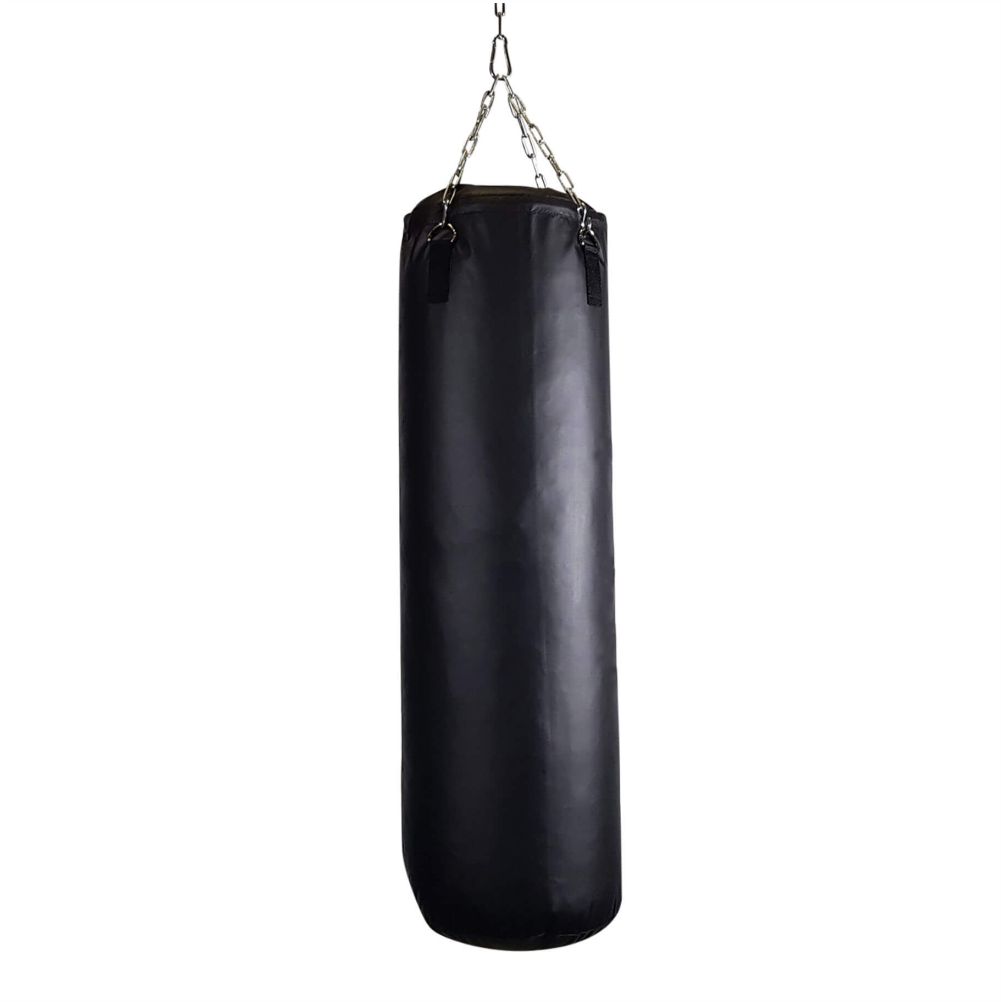
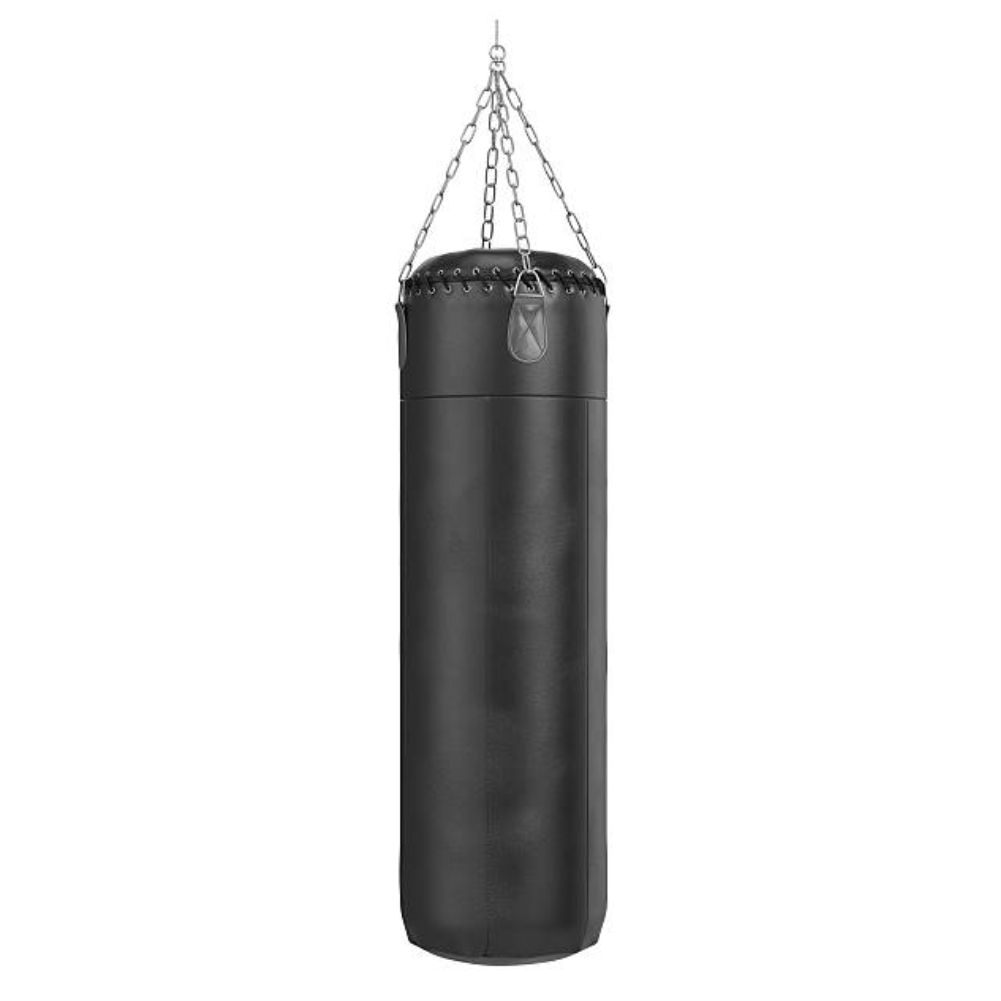

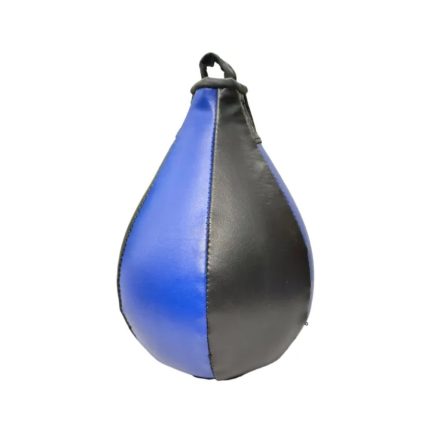
Punching Bag Size Chart:

Punching Bag Sizing Considerations:
- Speed Bags: Designed for speed and precision, smaller bags are lighter and allow for faster rebound. These are ideal for improving hand speed and coordination.
- Heavy Bags: Larger and heavier bags are designed to simulate the resistance of a real opponent, providing a great workout for strength, power, and endurance. Heavier bags (around 100–150 lbs) are typically used by more experienced boxers or those looking for a tougher challenge.
- Body Bags: Full-body punching bags are designed to mimic the shape and feel of a human torso. These bags allow you to practice punches to the head, torso, and body, offering a more versatile training experience.
- Water-Filled Bags: Water-filled punching bags allow you to adjust the weight by adding or removing water. These bags have a softer feel and can absorb impact better than traditional heavy bags.
- Maize Bags: Smaller bags are used to improve head movement and quick reaction times, as they provide an unpredictable bounce.
How to Choose the Right Punching Bag Size:
- Beginner (Lightweight or Medium Weight): 40–70 lbs heavy bag. Ideal for learning basic techniques, endurance, and light punching.
- Intermediate (Medium to Heavy Weight): 70–100 lbs heavy bag. Suitable for building strength, stamina, and refining technique.
- Advanced (Heavy Weight): 100–150 lbs heavy bag. Best for advanced practitioners or those looking to develop power and improve punching technique with a high resistance bag.
- Speed and Agility: For improving hand-eye coordination and reflexes, choose a speed or double-end bag (5–25 lbs).






Reviews
There are no reviews yet.